News & Updates
It’s time to get back to educational tours in New Caledonia!
Thursday, 5 March 2026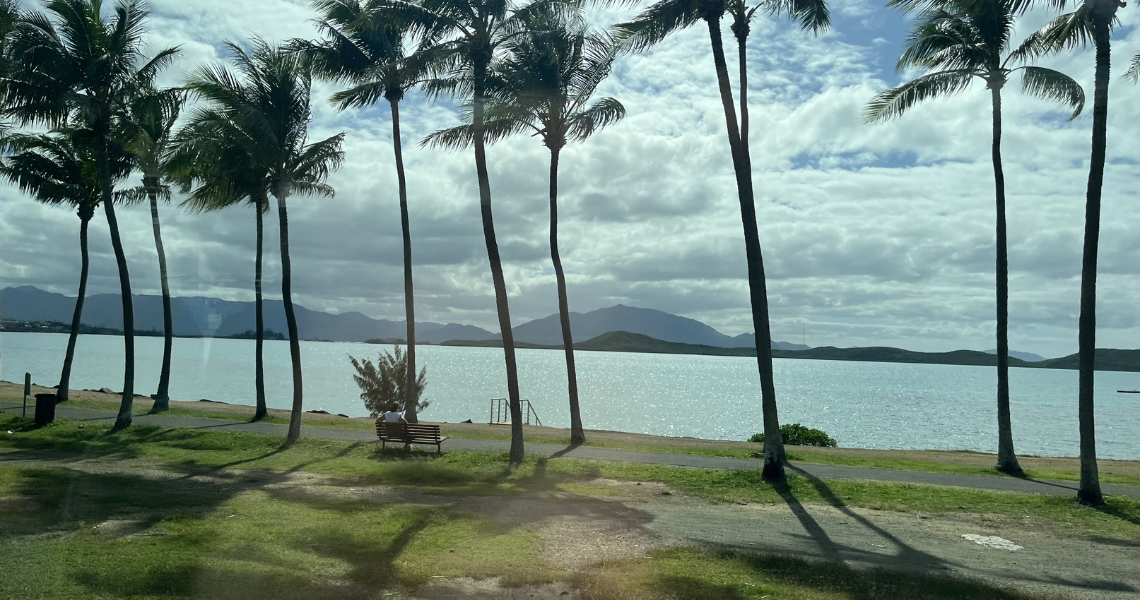
Team member Alastaire travelled to New Caledonia last year to check on the destinations covered in our New Caledonia tours. Here is a recap of his adventures.
****
After everything that has happened over the past year, it was important to get back to Nouméa and see things firsthand. I spent four days on the ground visiting key partners, walking the city and getting a feel for what school groups can expect right now.
Day 1: Arriving in Nouméa
The drive from the airport into Nouméa was smooth and uneventful. There were no visible signs of disruption along the way. As you head into town, the scenery shifts from open and rugged to industrial, and then into the coastal stretch of the city.
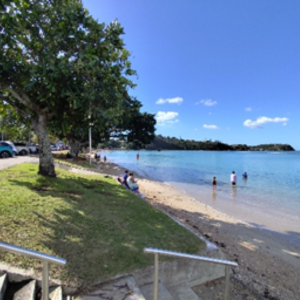
I stayed near Anse Vata Bay and had a room overlooking the water. In the evening, the beachfront felt lively and relaxed. Locals were out jogging, playing volleyball and spending time with family. It felt safe, social and very normal.
Day 2: Beachfront and Museums
Breakfast at the hotel was a standard buffet with hot and cold options. It would be easy and familiar for students.
Anse Vata itself is looking great. The beachfront area has had some upgrades and feels clean and well maintained. There are playgrounds, wide walking paths and plenty of open space. It is an easy environment for school groups to move around in.
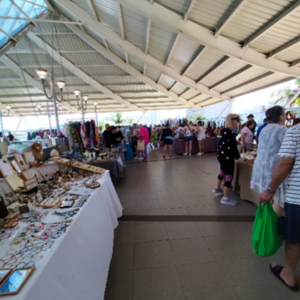
I walked from Anse Vata into the city centre. A cruise ship was in port, so there was plenty of activity around town. Shops were open, tourists were exploring and cafés were busy.
I visited two museums that work well for student groups:
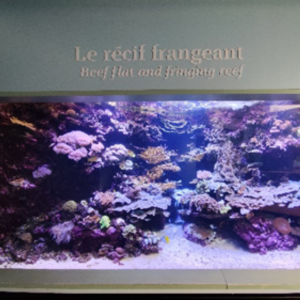
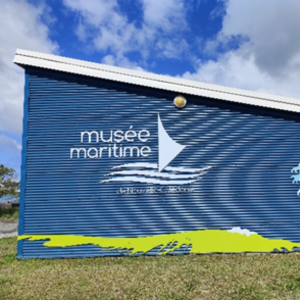
- Maritime Museum Small but engaging. There is strong World War II content and interesting shipwreck history that connects well to curriculum.
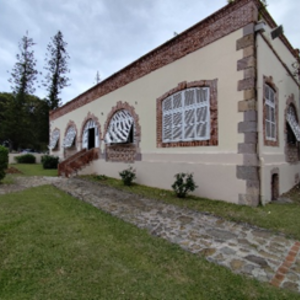
- Musée de la Ville de Nouméa Set over three levels with a lovely courtyard garden. It gives students a solid overview of New Caledonia’s colonial past and local history.
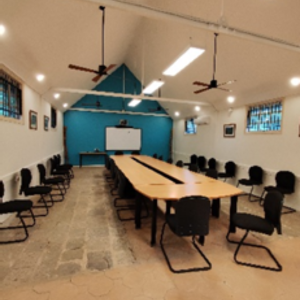
In the afternoon, I met with the hotel team to review facilities for school groups. They have flexible meeting space suitable for lessons or briefings, and rooms are spacious. Teachers are still accommodated separately, which is important for supervision and comfort.
Day 3: Language and Cultural Partners
I spent the day with Noumea Discovery and visited CREIPAC, the language centre we work with.
The team there were genuinely enthusiastic about welcoming Australian school groups again. They have refreshed parts of their teaching team and are ready to restart programs. While I was there, local students were studying English, and they have recently hosted Australian university students as well.
Homestay families are still engaged. There have been a few changes in hosts, but the program is intact and families are keen to welcome students back.
We also discussed program options beyond the traditional favourites. Blue River National Park is being positioned as a strong alternative to Amedee Island. It offers a more nature-based experience and could add an environmental focus to itineraries.
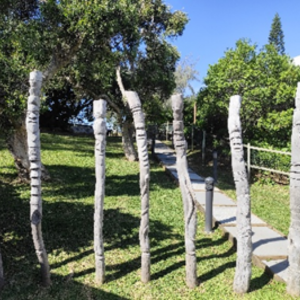
Later, I visited the Tjibaou Cultural Centre. It remains a standout experience for groups. There is currently an exhibition focused on sustainable building materials, which adds an interesting modern angle. The café is closed for now, so groups would need to bring packed lunches, but otherwise the site is fully operational and ready for visits.
Day 4: Parc Forestier
Rain changed my original plan, so I visited Parc Forestier instead. It is an easy to navigate wildlife park and works well for school groups.
Students can see native species including the kagu, along with lemurs, geckos, deer and other animals. I spoke with one of the keepers about feeding times and educational talks. Guided visits can be arranged through Noumea Discovery, or groups can explore independently.
It would pair well with a half day of language lessons. For example, lessons in the morning, then attending the crow feeding at 1pm and the lemur feeding at 2pm.
Overall Impressions
The biggest takeaway from this visit is that Nouméa feels stable, welcoming and ready to receive school groups again. The partners we work with are prepared and genuinely enthusiastic about having Australian students return. Facilities are operating as normal, cultural sites are open and accessible, and the homestay community is keen to host once more.
For schools, the core strengths of the destination remain firmly in place. Students can experience meaningful language immersion, engage with local history and culture, and explore accessible nature, all within a safe and walkable coastal setting.
Based on what I saw on the ground, Nouméa is well positioned to welcome student groups back with confidence.